Ethiopia Cultural Tours

Ethiopia stands as a crossroads of humanity, where cultural diversity runs deeper than anywhere else on the continent. Its landscapes, ancient monuments, and wildlife aren’t just sights—they’re woven into a living cultural fabric that gives every journey here a deeper meaning.
Ethiopia is a land of unmatched cultural heritage and timeless history. As the only African nation that resisted European colonization, Ethiopia has preserved its unique identity, ancient traditions, and spiritual roots like no other. Embark on a journey through Ethiopia’s historic northern circuit—visit the rock-hewn churches of Lalibela, the ancient obelisks of Axum, the royal castles of Gondar, and the serene Lake Tana Monasteries near Bahir Dar. But Ethiopia’s story doesn’t end there. Explore the vibrant cultural routes of the South Omo Valley, where over a dozen distinct tribes keep centuries-old customs alive. From sacred sites to living traditions, Ethiopia Cultural Tours offers a deep, immersive experience that reveals the soul of one of Africa’s most fascinating countries.

What defines a cultural experience in Ethiopia?

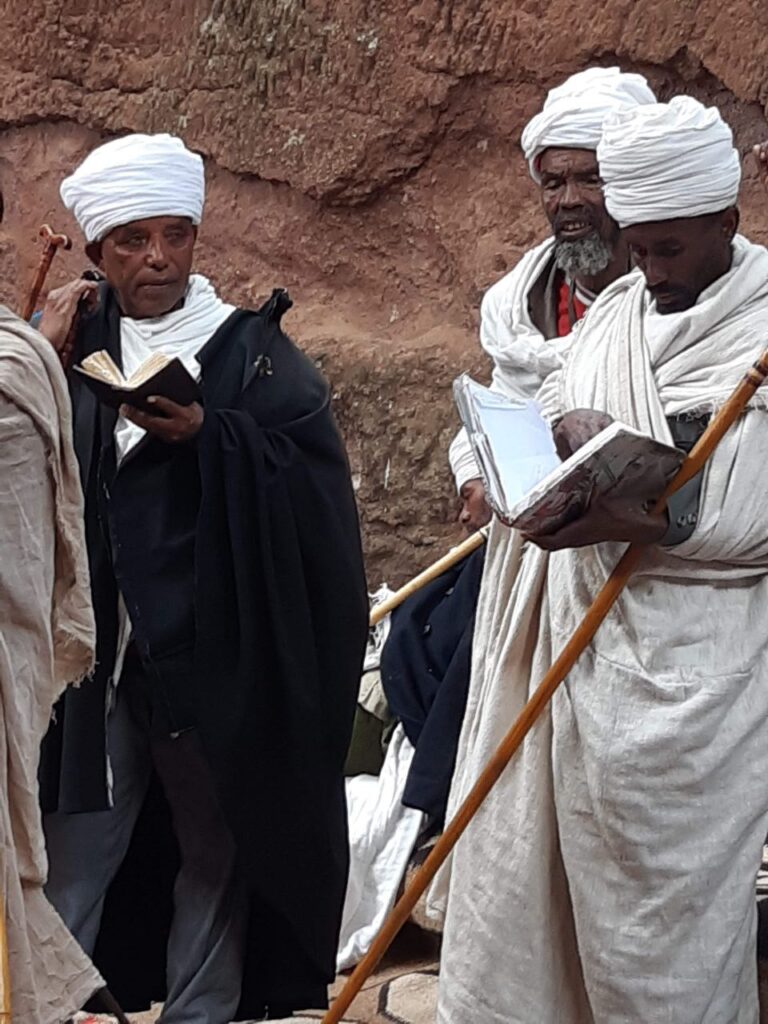
lalibela-tour-priests
In many ways, every moment in Ethiopia is a cultural experience. There’s no separating what you see and do here from the rich cultural fabric that defines it. That’s what makes Ethiopia so unique—and often difficult to put into words. With over 80 ethnic groups and countless traditions, a single destination can offer a thousand different perspectives. At Ethiopia Connect Tours, we define cultural experiences as those moments that capture the essence of Ethiopia in a tangible, time-bound way—whether it’s sharing a traditional meal, joining a tribal ceremony, or visiting a centuries-old monastery. These experiences offer a vivid taste of Ethiopia’s living heritage in a way that’s personal, immediate, and unforgettable.

Top Cultural Experiences in Ethiopia

Axum

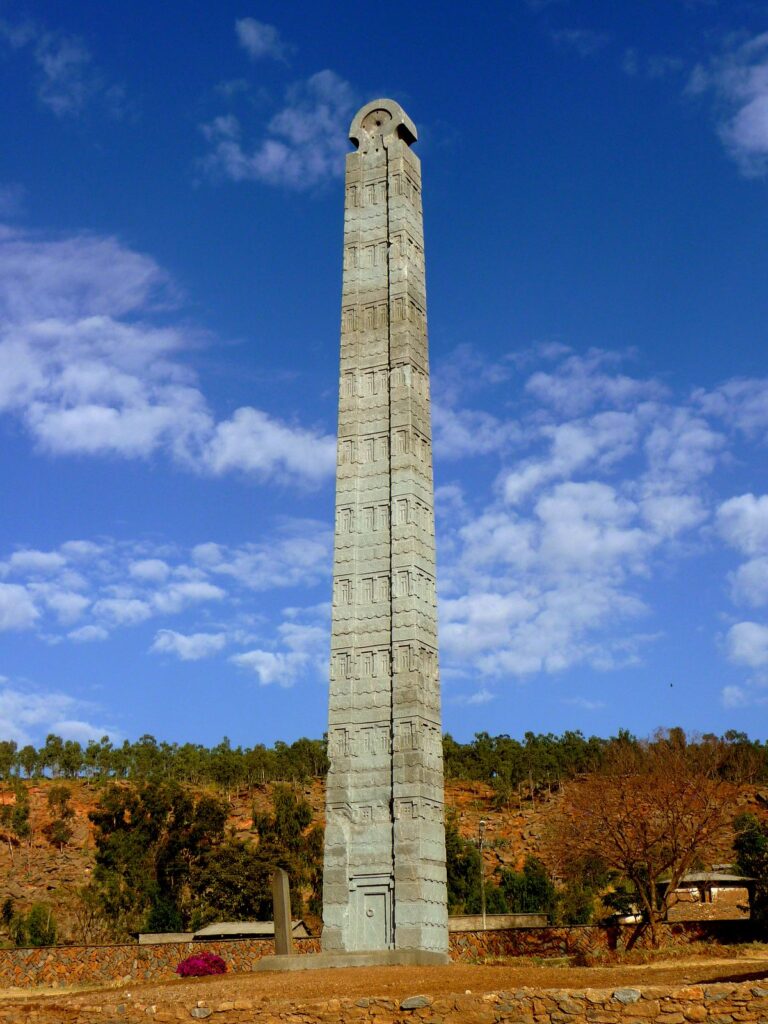
axum stele
Once the heart of a great African empire, Axum is one of Ethiopia’s most important historical and cultural destinations. Its towering 24-meter Obelisk, carved in the 4th century by King Ezana, is a masterpiece of ancient engineering. Taken to Italy during the occupation and returned in 2005, it now stands proudly in the Stelae Field—engraved with intricate patterns, false doors, and even carved locks, symbolizing the sophistication of Axumite civilization.
Beyond the Stelae, Axum is home to the Church of St. Mary of Zion, believed by many to house the biblical Ark of the Covenant. Rich in myth and legacy, Axum offers a powerful glimpse into Ethiopia’s ancient past and is a must-see stop on any cultural journey through the country.

Gondar

gondor connect ethiopia
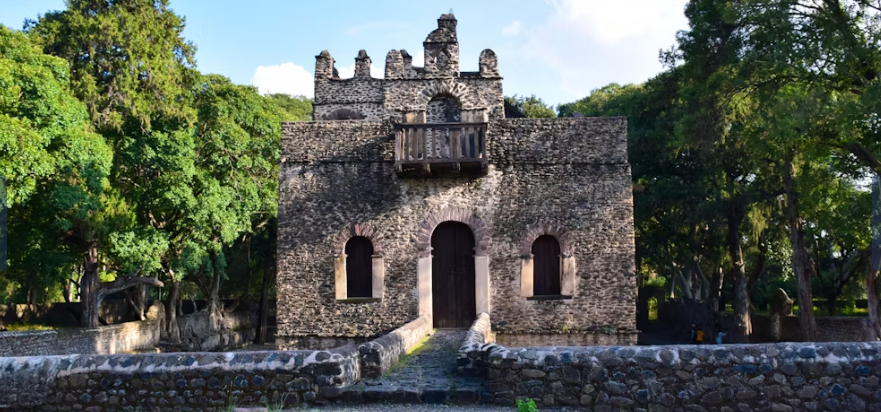
Located in the Semien Gondar Zone of Ethiopia’s Amhara Region, Gondar is a key highlight along the northern historical circuit. Nestled north of Lake Tana and southwest of the Simien Mountains, the city blends imperial grandeur with cultural depth, offering visitors a rich glimpse into Ethiopia’s royal past.
Gondar is famed for its 17th-century castles within the Fasil Ghebbi UNESCO World Heritage Site. These stone-built fortresses, commissioned by Emperor Fasilides and his successors, showcase a unique fusion of Ethiopian, Portuguese, and Indian architectural styles. Nearby, Fasilides’ Bath remains a central site for the annual Timkat (Epiphany) celebration, where it fills with water for mass baptisms.
The city is also home to Debre Birhan Selassie Church, renowned for its beautifully painted ceilings filled with angelic faces—one of the finest examples of Ethiopian church art and a spiritual icon in its own right.

Lalibela

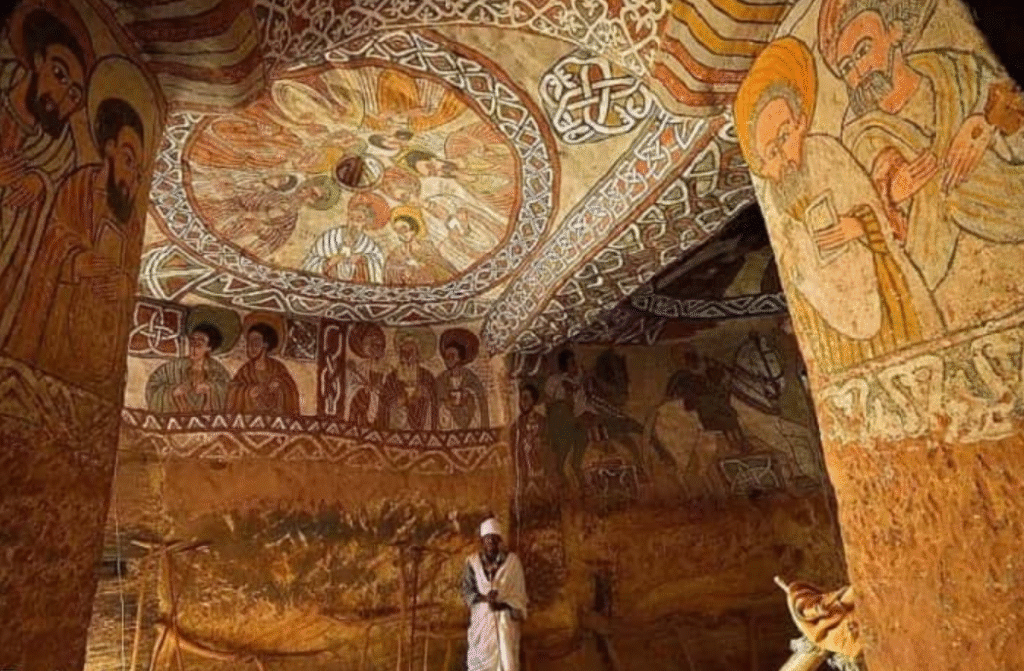
Abuna Yemata Guh interior
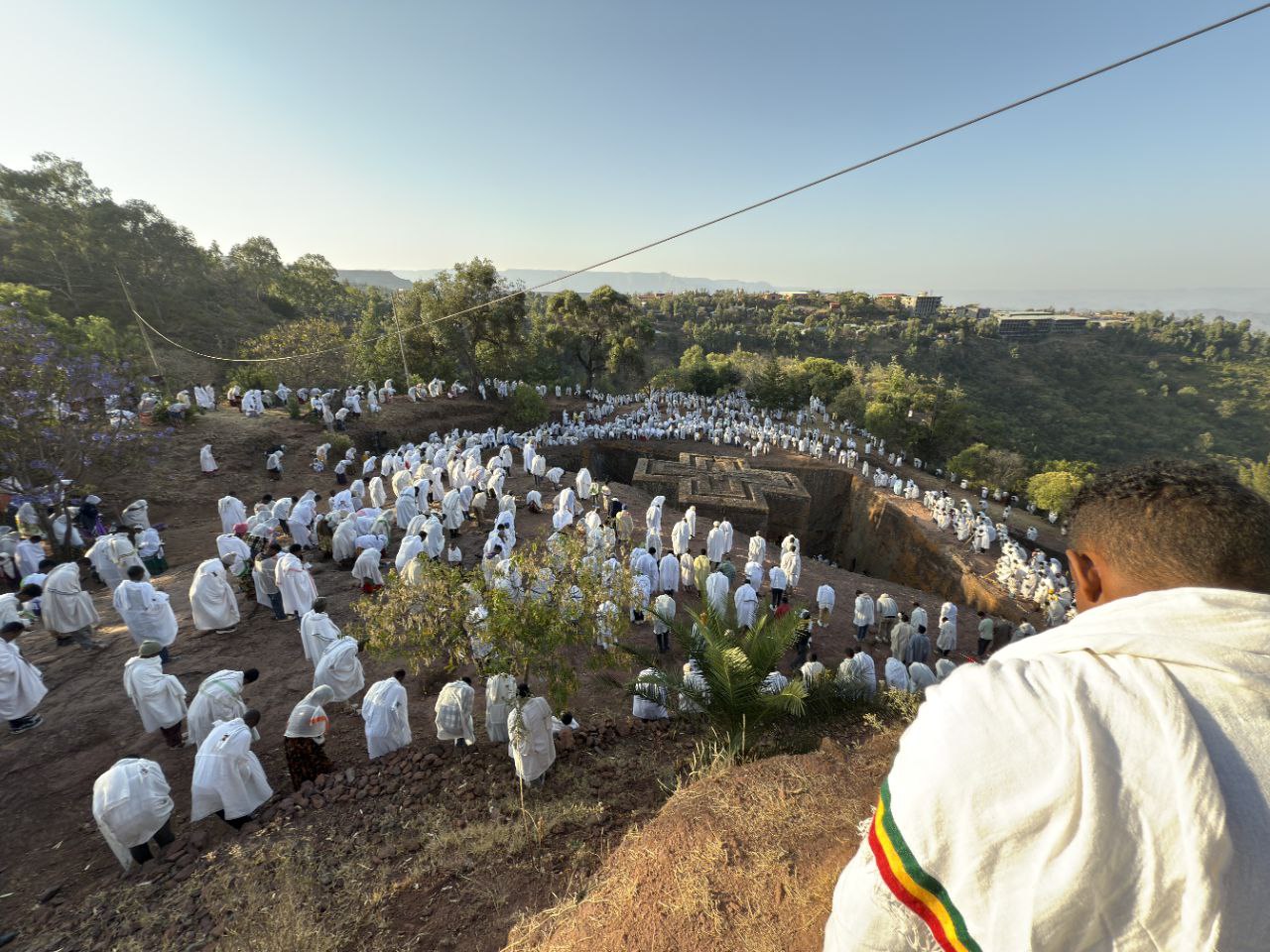
Carved into solid rock and hidden in Ethiopia’s northern highlands, the rock-hewn churches of Lalibela form a sacred underground world of tunnels, passageways, and sunken chapels. These 12th-century marvels were once unknown to the outside world, yet they house one of Ethiopia’s most prized relics—the Lalibela Cross, a lavish gold processional cross of immense religious and cultural value.
At the spiritual center lies the Church of Saint George (Bete Giyorgis), a masterpiece of faith and engineering carved in the shape of a cross. Witnessing early morning prayers here—or the all-night celebration of Ethiopian Christmas—is a deeply moving experience.
Lalibela also offers immersive cultural moments beyond its churches, from local village visits to traditional highland hospitality. It’s a must-see highlight on any Ethiopia cultural tour.

HARAR

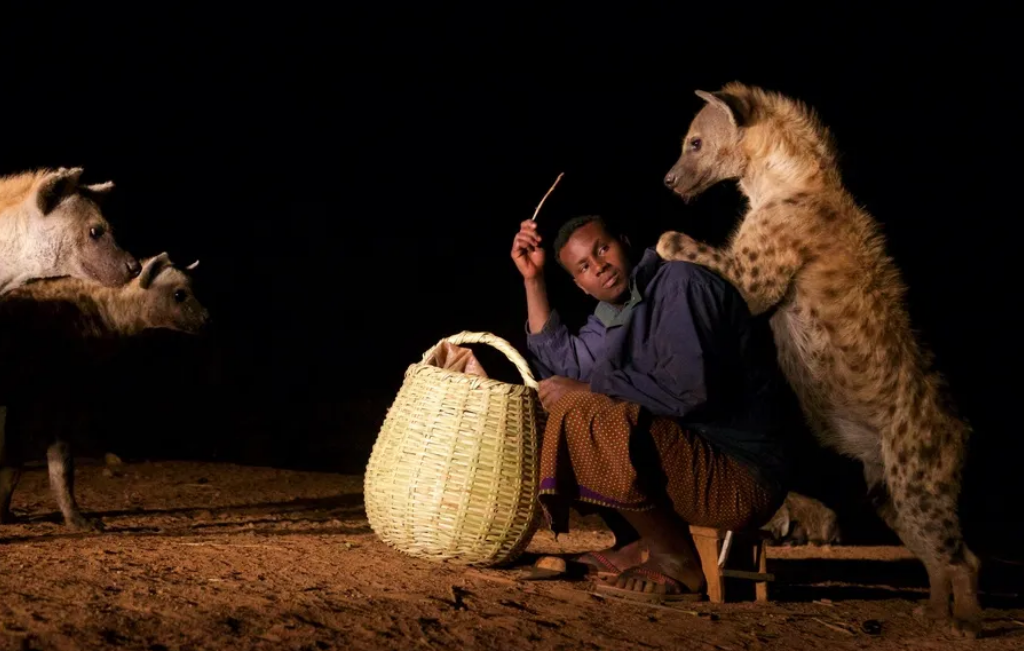
By Day, a City of Color — By Night, a Dance with Hyenas

feeding the hynas
Known as the City of Saints, Harar is one of the most spiritually significant Islamic centers in Africa. Once a vital trade hub connecting the Horn of Africa to the Arabian Peninsula, Harar is home to 82 mosques—some dating back to the 10th century—and over 100 shrines, earning it recognition from UNESCO as the fourth holiest city in Islam.
The city’s old walled quarter, Harar Jugol, was declared a UNESCO World Heritage Site in 2006. Its Arabic-influenced architecture and vibrant alleyways create a striking contrast to the Christian heritage sites of Ethiopia’s northern circuit, offering visitors a distinctly different cultural perspective.
Harar is also famous for its unique nightly ritual—hyena feeding. For generations, locals have maintained a bond with these wild animals, feeding them by hand just outside the city walls. It’s a surreal and unforgettable experience, unique to Harar’s rich and layered culture.

OMO VALLEY

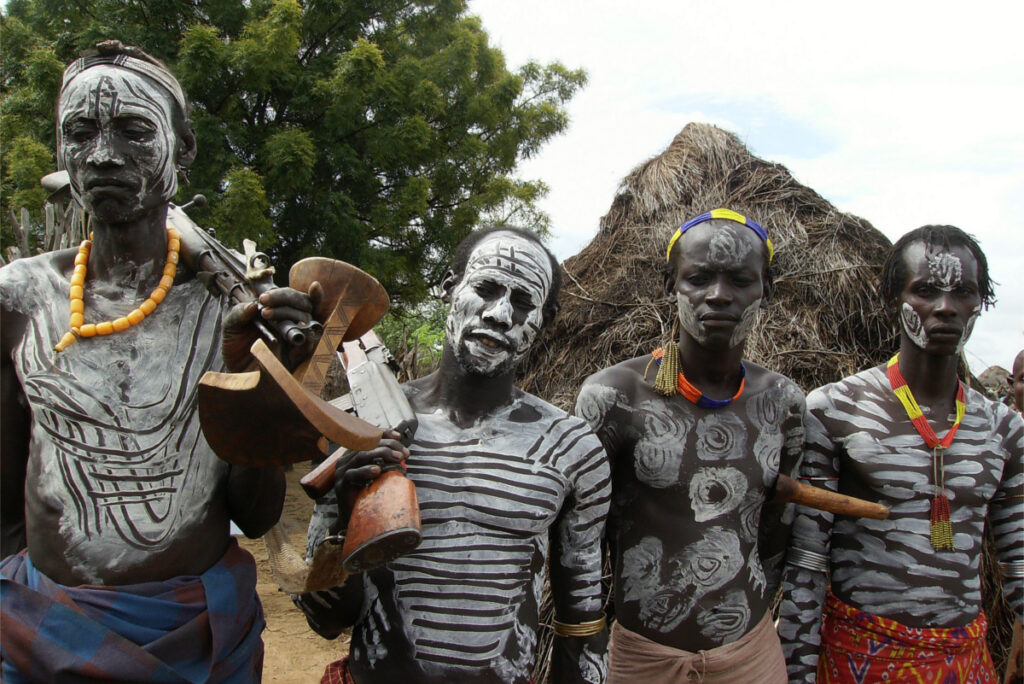
Tribes of the Omo: Ancient Cultures, Timeless Encounters

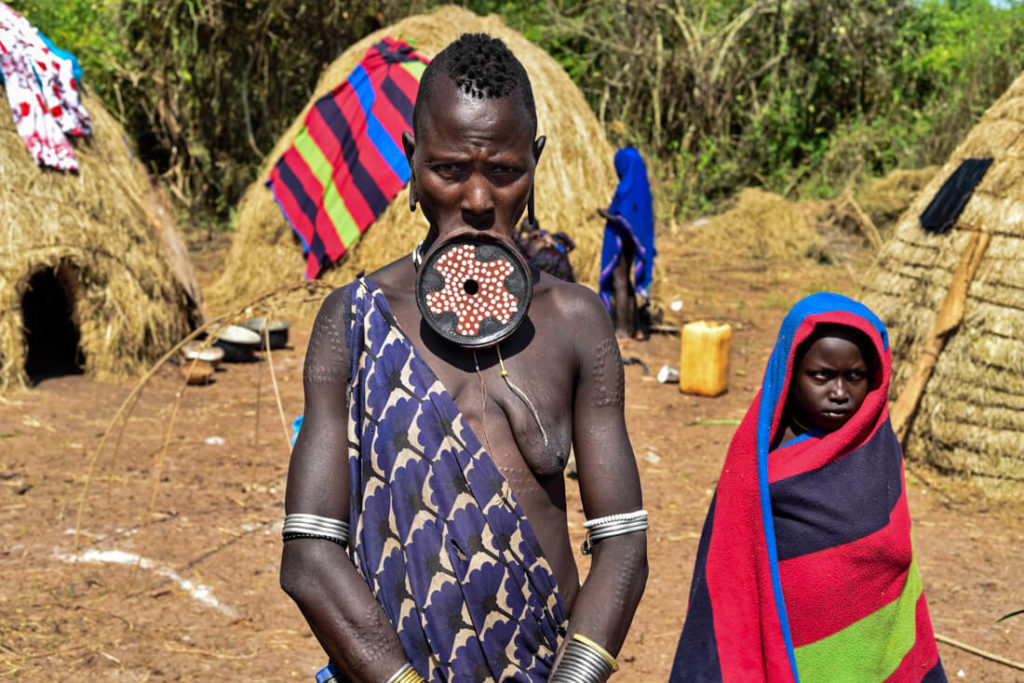
Omo-valley-tribe-pic
A journey to Ethiopia’s Omo Valley is a step into a living human museum. This remote region in the country’s south is home to over a dozen distinct tribes, each with its own language, dress, customs, and rituals—some unchanged for centuries. From the lip plates of the Mursi to the elaborate body art of the Karo and the bull-jumping rites of the Hamar, the Omo Valley offers raw, immersive cultural encounters that few places on Earth can match.
Visiting the tribes of the Omo Valley isn’t about observation—it’s about interaction. You’ll witness traditional ceremonies, join in local dances, and gain insight into deeply rooted ways of life. For travelers seeking genuine, human connection, this is one of the most powerful cultural experiences in Ethiopia.

Coffee Ceremonies

Ethiopian Coffee Ceremony: A Ritual of Hospitality and Heritage
Ethiopian-Coffee-Ceremony-Cooking-over-fire
In Ethiopia, coffee is more than a drink—it’s a cultural ritual. The traditional Ethiopian coffee ceremony is performed daily in many homes, especially on weekends, where families and guests gather for three rounds of freshly roasted and brewed coffee. Each step—from selecting the finest beans to the triple pour—is done with care and intention.
Served black with plenty of sugar and often a sprig of tena adam (rue), it’s a moment of connection, storytelling, and respect. Experiencing this ceremony firsthand is one of the most authentic ways to feel the rhythm of Ethiopian life.

Ready to Plan Your Ethiopian Adventure?

Connect

Speak with our local experts and get quick answers to plan your trip confidently.

Match

We match your preferences with curated itineraries that fit your style and budget.

Book

Finalize your adventure with easy booking, secure payment, and local support.

+251 911041678