- connectethiopiatours@gmail.com
- +251 911041678

Omo Valley
Experience a different way of life as you’re welcomed by the vibrant cultural communities of the Omo Valley. Home to 88 distinct tribes, this remote region of Ethiopia has been a living crossroads of tradition, heritage, and human diversity for thousands of years.
How to visit the Omo Valley (responsibly)
Previous
Next
Discover the Omo Valley with Connect Ethiopia Tours
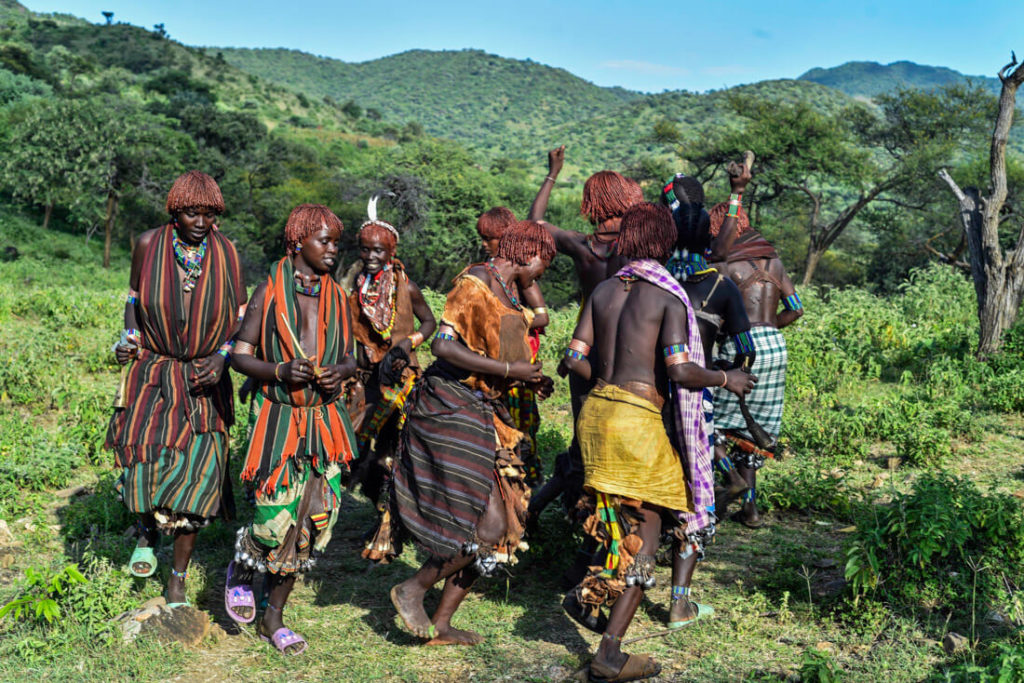
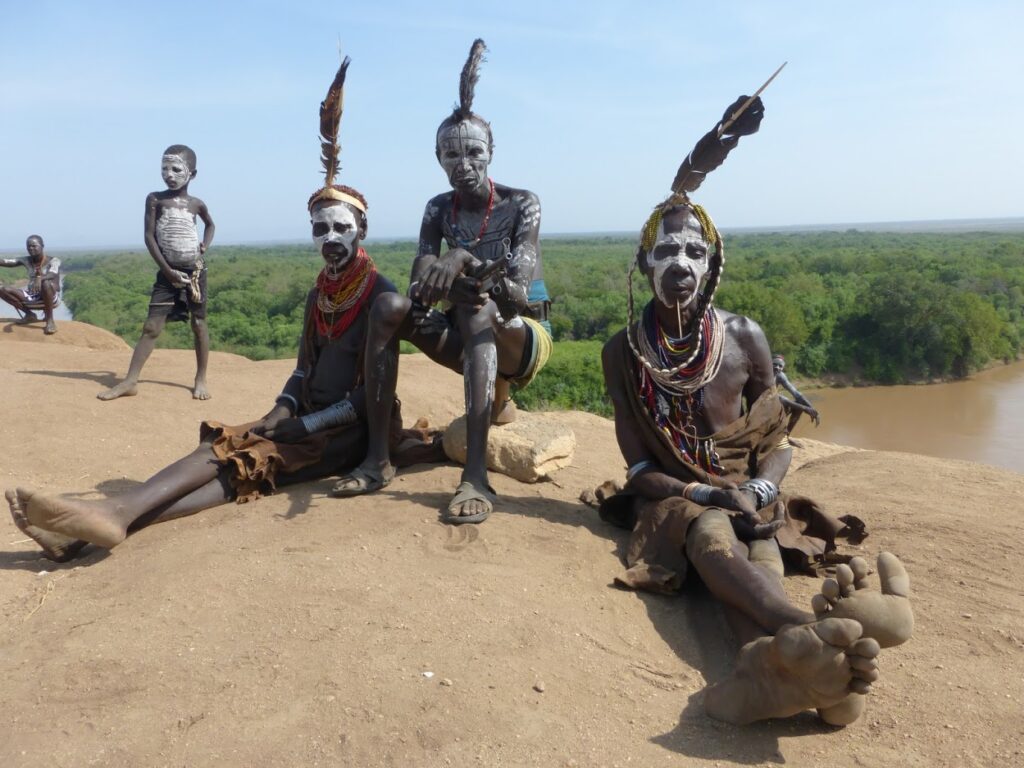
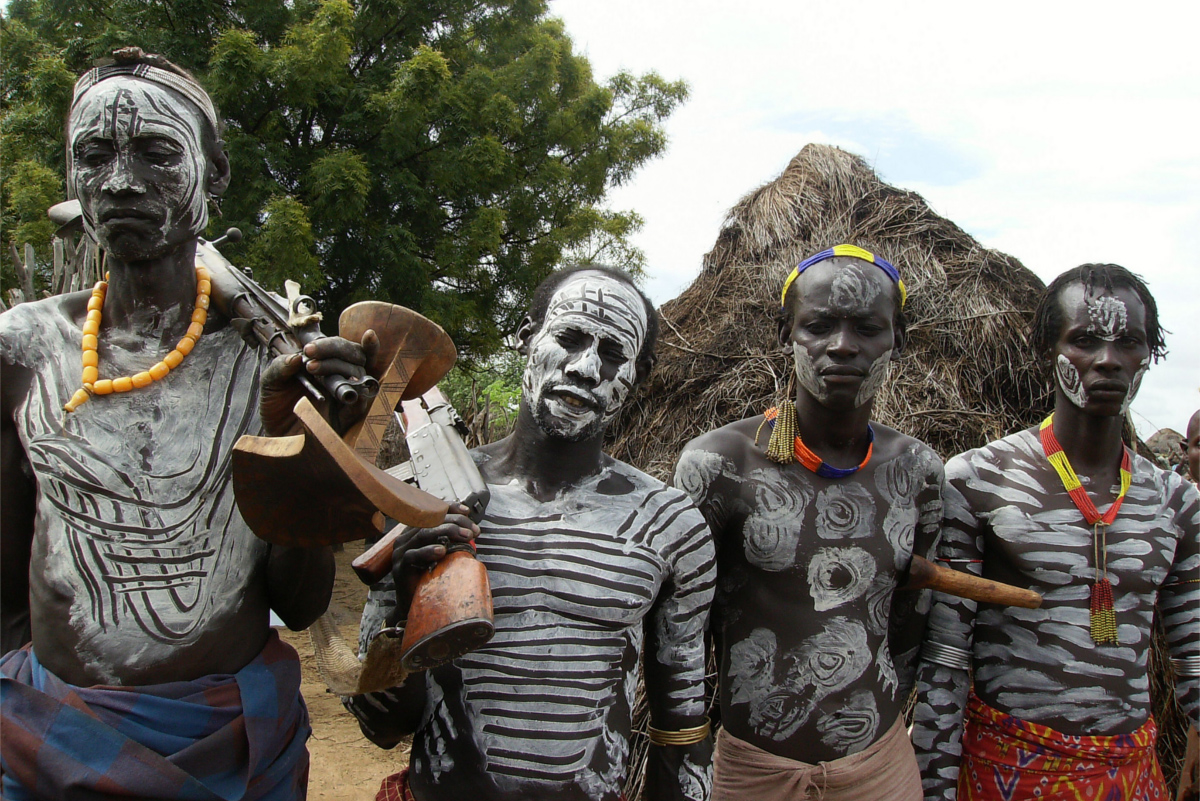
The Omo Valley in southern Ethiopia is one of the most culturally diverse regions on the planet, home to over eight unique indigenous tribes including the Hamar, Mursi, Suri, Karo, Dassanech, Aari, Banna, and Nyangatom.
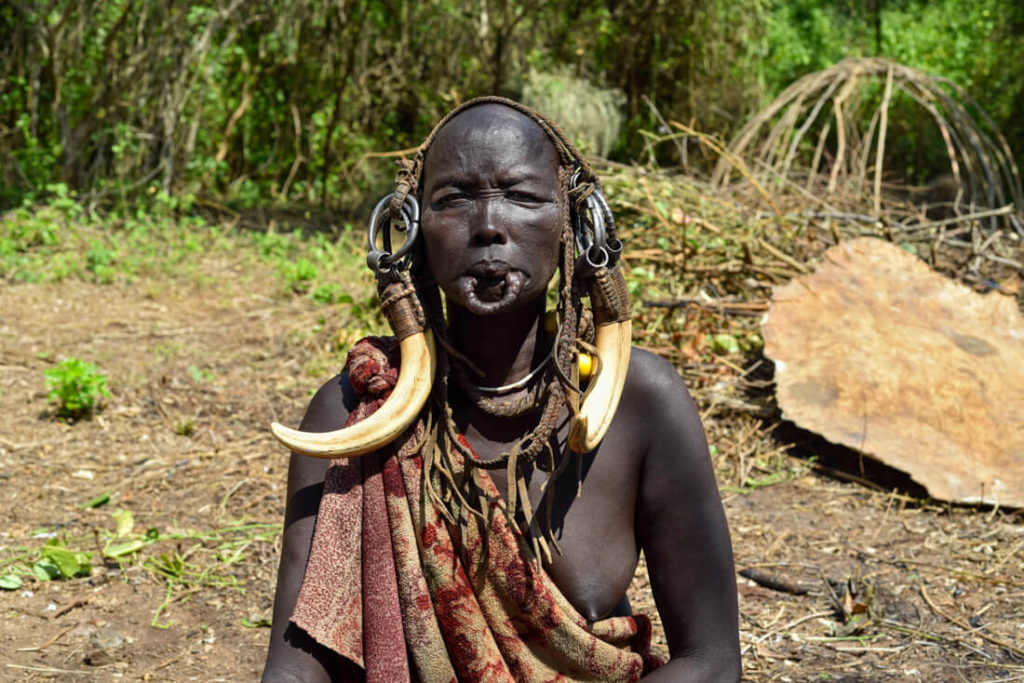
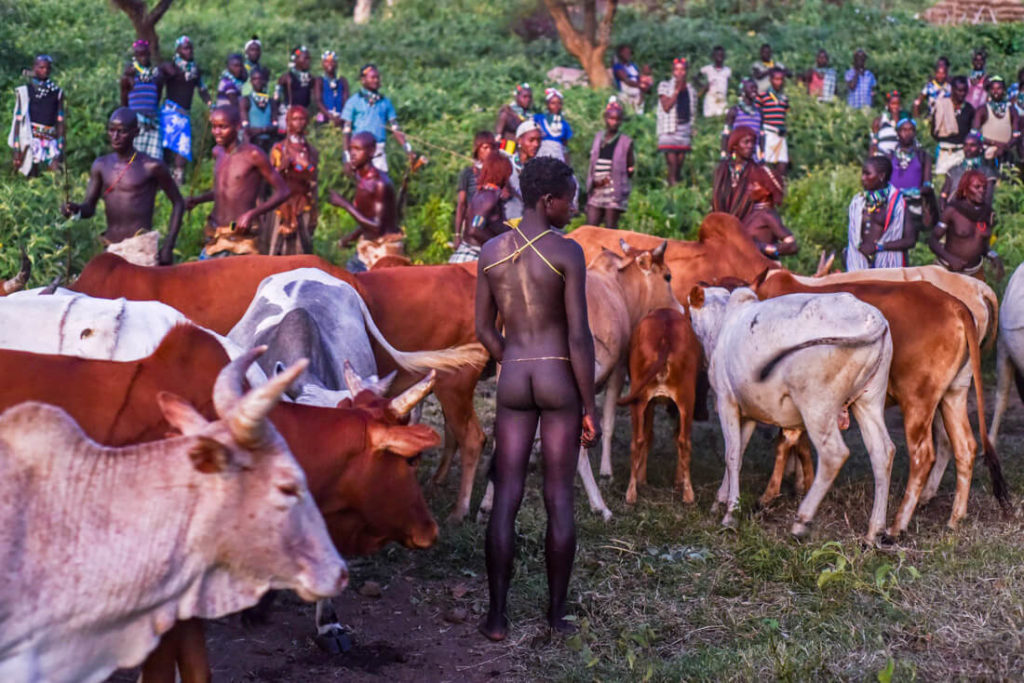
This remote corner of Ethiopia offers a rare window into authentic tribal traditions, from body painting and lip plates to bull-jumping ceremonies and colorful weekly markets. Unlike any other place in Africa, the Omo Valley feels like a living cultural museum, where every visit is a front-row seat to centuries-old customs still thriving today.
At Connect Ethiopia Tours, we guide you through the heart of the valley—visiting local villages, joining traditional events, and ensuring respectful, responsible encounters with the communities that make this region so special.
Why Visit the Omo Valley?
Meet the Hamar and witness the famous bull-jumping ceremony
Visit the Mursi people, known for their iconic lip plates
Explore colorful tribal markets in Turmi, Jinka, and Key Afar
Enjoy guided, respectful tours with experienced local guides
Travel through breathtaking scenery along the Omo River and beyond
Our guide to the Omo Valley
Why should I visit the Omo Valley?
The Omo Valley—more precisely, the Lower Omo Valley—is unlike anywhere else on Earth. A true crossroads of humanity, it’s home to a remarkable number of tribal communities, each with its own language, traditions, and way of life. If you want to understand the cultural roots of Ethiopia—and Africa as a whole—this region is essential.
The intense contrast between your world and the lives you’ll encounter here sparks deep reflection on what it means to be human today.
Recognized as a UNESCO World Heritage Site, the Lower Omo Valley is also one of the world’s most important archaeological zones, where human remains dating back 2.5 million years were discovered.
As you journey through the valley, you’ll come across ancient hilltop settlements, terraced farms, anthropomorphic grave markers, and rock engravings more than 5,000 years old.
Nature here is just as impressive. Nech Sar National Park stretches across the landscape with dramatic mountains, lakes, and forests—home to over 70 mammal species, massive crocodiles, and the elusive Nechisar nightjar, possibly the rarest bird on the planet.
🟨 How many tribes can I visit in the Omo Valley?
The Omo Valley is home to over 8 distinct tribal communities, including the Hamar, Mursi, Karo, Dassanech, Suri, Aari, Banna, and Nyangatom. Each tribe offers a unique glimpse into Ethiopia’s cultural richness—through language, rituals, body art, and traditional ways of life.
If you’re short on time, it’s possible to visit 3 to 5 tribes in a single day, especially around Turmi and Jinka, though it often involves several hours of driving. You’ll still get a strong sense of the region’s diversity—but deeper connections take more time.
We recommend spending at least 4 days in the Omo Valley to go beyond surface-level encounters and truly engage with the people, customs, and landscapes. Most trips range from 4 to 7 days depending on your pace and interests.
With Connect Ethiopia Tours, each visit is carefully curated to ensure cultural respect, meaningful exchange, and safe access to these vibrant communities.
🟨 How long do you spend with each village?
Most Omo Valley village tours include visits that last between one to two hours per tribe. This allows enough time to observe traditional life, take respectful photos, and ask questions through your guide. It’s ideal for travelers on shorter trips who want to experience multiple communities in a limited timeframe.
However, for those seeking deeper cultural immersion, we highly recommend spending longer—or even overnighting near a tribal village. This allows for more meaningful interaction beyond the typical tourist encounter and offers a closer connection to daily life in the Lower Omo Valley.
All travel in the Omo Valley is done by road, and some communities are several hours apart. So how long you spend with each village depends on:
- The number of Omo Valley tribes you wish to visit
- Your total number of days in the region
- How deep you want your tribal visit experience in Ethiopia to be
At Connect Ethiopia Tours, we help tailor each itinerary to match your time, interests, and comfort level—ensuring every village visit is authentic, respectful, and unforgettable.
Omo Valley FAQs
There are eight main tribes in the Omo Valley: Kara, Hamer, Mursi, Dassanech, Kwegu, Benna, and Arbore.
Of these, six tribes live along the Omo River, forming the cultural backbone of the region’s riverine life. The remaining two—Benna and Arbore—reside further inland on the surrounding mountainsides. These highland communities are less frequently visited due to their remote locations but offer equally rich and unique cultural experiences for those who make the journey.
The Omo Valley is located in the southernmost part of Ethiopia, within the Southern Nations, Nationalities, and Peoples’ Region (SNNPR). It’s one of the most remote and culturally rich areas in the country.
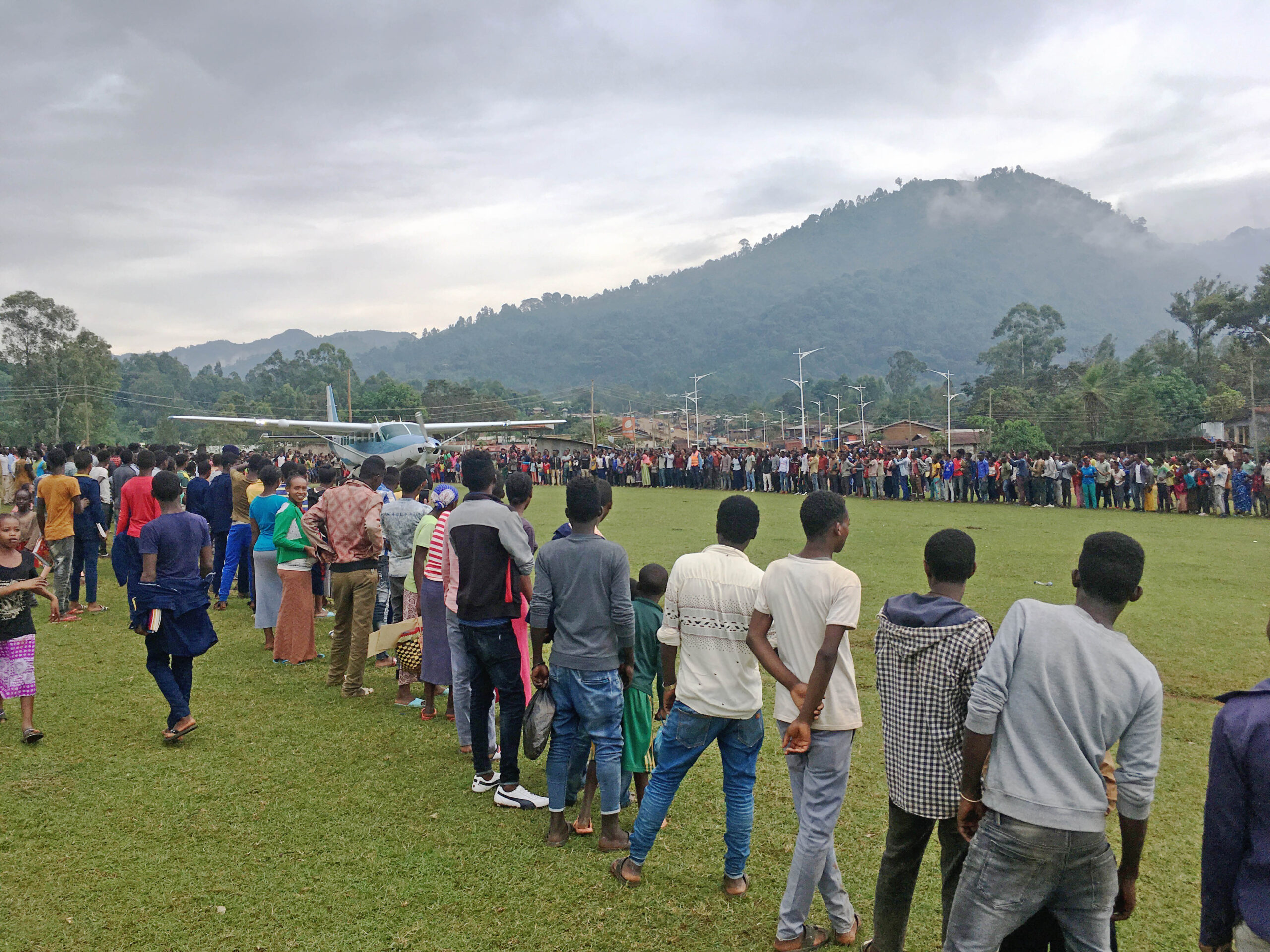
To reach the Omo Valley, most travelers take a domestic flight to Arba Minch, a regional hub. From Arba Minch, the journey continues by road—driving south into the valley through dramatic landscapes, tribal villages, and national parks.
The best time to visit the Lower Omo Valley is during the dry seasons, from late June to September and again from November to early March. These months offer the most reliable weather and road conditions, making it easier to reach remote tribal areas and attend traditional ceremonies.
The rainy season runs from March to June, with rain often arriving earlier in the Omo than in other parts of Ethiopia. Roads can become muddy and some villages inaccessible during this time. October also brings occasional showers, which may limit access to certain regions.
Temperatures in the Omo Valley vary from 14°C to 41°C throughout the year, with June, July, and August typically being the hottest months.
For a broader perspective, check out our full guide on when to visit Ethiopia, covering seasonal highlights across all regions.
The Omo Valley is one of the most culturally rich—and economically poor—regions in Africa. Photography here comes with unique responsibilities. Many locals rely on photo fees as a source of income, and it’s common for individuals or groups to ask for payment in exchange for photos, either per shot or through a negotiated group fee. This practice varies by tribe and can feel overwhelming for first-time visitors.
Don’t worry—our guides will help you handle it respectfully and transparently. We see these photo fees as a fair exchange. They ensure that the people being photographed directly benefit, rather than being passively observed without consent or compensation.
That said, paying does not remove the need for respect. Always ask before taking photos. Understand that, for the people of the Omo, being photographed is not just a casual moment—it’s part of a larger interaction shaped by economic and cultural imbalance.
While many communities are used to cameras, it’s vital to approach every encounter with dignity and empathy. Your lens is powerful. Use it with care.
The gateway to the Omo Valley is the southern town of Arba Minch. Most tours begin with a short domestic flight from Addis Ababa to Arba Minch, where travelers typically spend a night at Paradise Lodge before heading into the Omo region the next morning.
From Arba Minch, all travel into the Omo Valley is done by road in a Toyota Land Cruiser 4×4, the most reliable vehicle for the region’s rugged terrain. Drive times between destinations usually range from 2 to 4 hours, depending on your itinerary. The routes are scenic and culturally rich, but expect a mix of paved and bumpy dirt roads.
You can also reach the Omo Valley with a full-day drive from Addis Ababa, traveling south across the Great Rift Valley. This option allows for stopovers at beautiful lakeside resorts and eco-lodges along the way. Many travelers choose a combined route—flying in and driving out via the Rift Valley—to experience more of southern Ethiopia’s natural and cultural highlights.
For those with extra time, it’s worth considering a detour to the stunning Bale Mountains or extending your itinerary to visit other lesser-known regions of Ethiopia.
Need help planning your route or booking your flight? Contact us here and we’ll help you build the perfect Omo Valley itinerary.
Yes, the Omo Valley is generally safe for tourists. While the region can experience occasional local tensions or tribal conflicts, these are internal and rarely, if ever, directed at visitors.
Tourism is well-established in the Omo, and the communities are used to hosting guests. With a trusted local operator like Connect Ethiopia Tours, your safety and comfort are carefully managed throughout the journey—especially during remote travel and village visits.
As with any destination in Ethiopia or Africa, it’s important to travel with an experienced guide, stay informed, and respect local customs. Do that, and the Omo Valley is not only safe—it’s unforgettable.
Discover more of the Omo Valley
Omo valley Tribes
Visiting the Omo Valley is a rare privilege. Each tribe has its own language, culture, and traditions—offering a glimpse into diverse ways of life that have remained unchanged for generations.
3 Days
Trip
DISCOVER MORE
How to get to the Omo Valley
The easiest way to reach the Omo Valley is by taking a domestic flight to Arba Minch. From there, you’ll continue by road into the valley—typically in a 4x4 vehicle—passing through scenic landscapes on the way to the tribal regions.
1 Day
Trip
DISCOVER MORE
Southern Ethiopia Explorer
Fly by private charter to the remote Gambella National Park, journey deep into the Omo Valley, and explore the highlands of the Bale Mountains National Park. Your base? A blend of luxury lodges and exclusive tented camps, offering comfort while immersing you in the wild beauty of Ethiopia’s most remarkable landscapes.
11 Days
Trip
DISCOVER MORE
Cultural & Natural visit to South
Explore Ethiopia’s rich south— from tribal life in the Omo Valley to the forests of the Bale Mountains and lakes of the Great Rift Valley...
12 Days
$2,785
DISCOVER MORE
Ready to Plan Your Ethiopian Adventure?
Connect
Speak with our local experts and get quick answers to plan your trip confidently.
Match
We match your preferences with curated itineraries that fit your style and budget.
Book
Finalize your adventure with easy booking, secure payment, and local support.